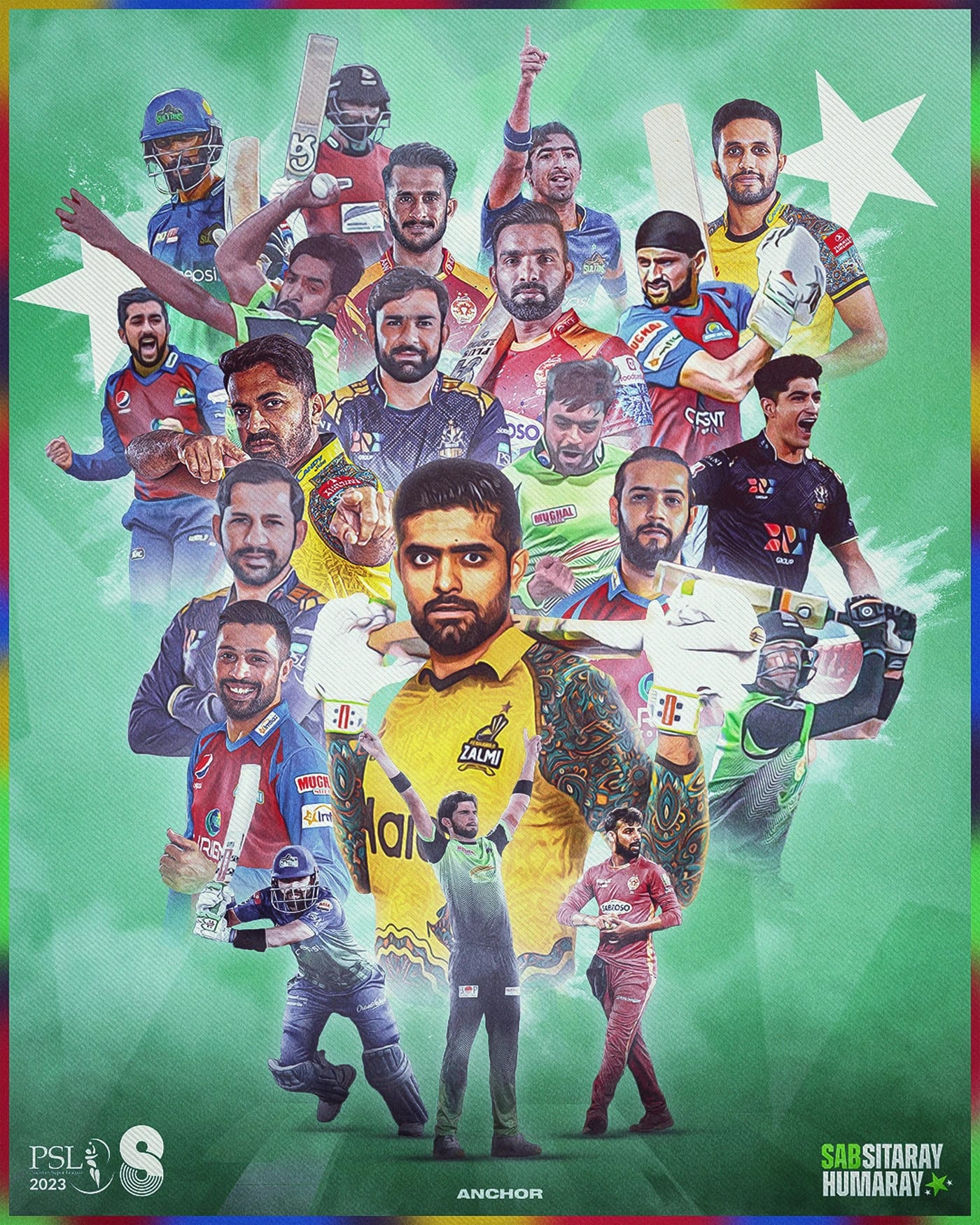
PSL 2026’s opening match saw a strange incident at the toss. Lahore Qalanadars’ captain, Shaheen Shah Afridi & Hyderabad Kingsmen’s captain, Marnus Labuschagne, both came out to the middle with two team sheets each. The coin was tossed. Then each captain looked at their two options and picked one as the final XI for the match. Anyone watching closely would have noticed this was not the usual routine. And it was not.
A new rule for PSL 2026 provides the captains to name their playing XI on the match day itself. The difference may appear small, but it greatly influences teams’ strategizing & matches being played out.
The Rule in Simple Terms
Before the toss, each captain is now allowed to submit two completely different playing XIs to the match referee. Both lineups are kept ready. The toss happens. Once the result is known, each captain picks one of their two submitted lineups and signs that sheet as their official team for the match.
This is all covered under Clause 1.2.1 in the PSL playing conditions under the section called "Nomination and Replacement of Players." The clause is quite clear. Exactly 11 players must be on each lineup. A maximum of 4 substitute fielders can be included, subject to other playing conditions. Once a captain has signed one of the two sheets after the toss, that is it. No player from that signed XI can be swapped out before the match starts unless the opposing captain gives their agreement.
So the flexibility exists before the toss. After it, everything is locked in.
The Dew Problem That Led to This Change
To understand why PSL brought this rule in, you have to understand what dew does to a cricket match in this part of the world. Dewfall on the outfield can severely affect night matches in Pakistan in the second innings. The ball gets slippery in the rain. Spinners cannot grip it properly. They cannot put revolutions on the ball. They cannot get it to turn. Batters know this, and they take full advantage.
This has been a talking point in PSL for years. Teams bowling second with spin-heavy attacks have struggled badly on dewy nights. The contest becomes one-sided not because of skill but because of conditions. A team batting first could pick three spinners knowing they would be effective early. The team batting second would then watch those same spinners become ineffective once dew arrived.
The new two XI rule gives both captains a way to manage this properly. A captain winning the toss and opting to bat first can now switch to an extra fast bowler and drop a spinner since the conditions in the second innings are not going to suit spin anyway. When the captain of a team loses the toss and is asked to bat first, he can change his original playing XI to one with greater batting depth to deal with a situation he did not choose.
No longer will teams take their fate to the toss meeting. With this change, both teams will now have a practical tool with which to respond to the toss result. Specifically, they won’t have to accept whatever conditions they end up with.
What Happened on Opening Night
The inaugural match of PSL 2026 at Gaddafi Stadium featured the Lahore Qalandars versus Hyderabad Kingsmen. Before the toss, both Shaheen and Labuschagne adhered to the new protocol by submitting 2 team sheets. The rule was applied properly from day one.
But here is the thing. That match was completely devoid of dew. The day was windy, while the night was overcast. The conditions stayed dry. So the very first match of the season, which introduced this rule to the world, did not actually produce the dew situation the rule was designed to handle.
That does not make the rule any less relevant. Dew will come later in the tournament on the right kind of night, & teams will be glad this option exists when it does.
What This Means for Captains
This rule adds a new dimension to captaincy in the PSL. A captain now has to think about two different versions of their team before every single match. The coaching staff must sit down and see what their XI looks like if they bat first & see what their XI looks like if they bowl first. Depending on pitch conditions, opposition strength & weather forecast, those two line-ups can be very different.
Reading conditions before the toss were always important. Now it has a direct impact on squad selection in real time. A captain who reads the conditions well and prepares two smart lineups has a genuine advantage over one who does not think it through properly.
The toss certainly adds spark and intrigue for fans and analysts. Earlier, it was decided in the toss which team would bat first or bowl first. Now it also shapes which version of each team takes the field. That is a bigger decision than it used to be.
A Smart Move by PSL
The dew has affected PSL matches for as long as the tournament has been running. Teams have dropped games on nights when the circumstances radically shifted the match’s equilibrium. The failure of spinners to take wickets was not because they bowled badly but because a wet ball simply wouldn’t do what they wanted it to do.
PSL has finally done something about it. This rule does not eliminate dew. It just gives teams a fair way to prepare for it. Both captains get the same opportunity to think ahead and adjust. Neither side is walking in blind after the toss anymore.
It's this kind of pragmatic thinking that shows PSL means business when it comes to advancing the quality and equity of the competition. Various T20 leagues globally will observe to see how this pans out throughout the entire season.
PSL 2026 has only just begun & it is already doing things differently. The two XI rule is one of the more thoughtful changes the tournament has introduced in recent years & its real impact will become clear as the season goes on and dew starts showing up on those warm Lahore and Karachi nights.
Cricket starts now. March 26, Lahore's Gaddafi Stadium. The captains are already strategizing for two moves ahead.